VideoPersonal developmentDec 17, 202523:43
Why You Feel Bad After Talking to Someone
Alexander Volchek
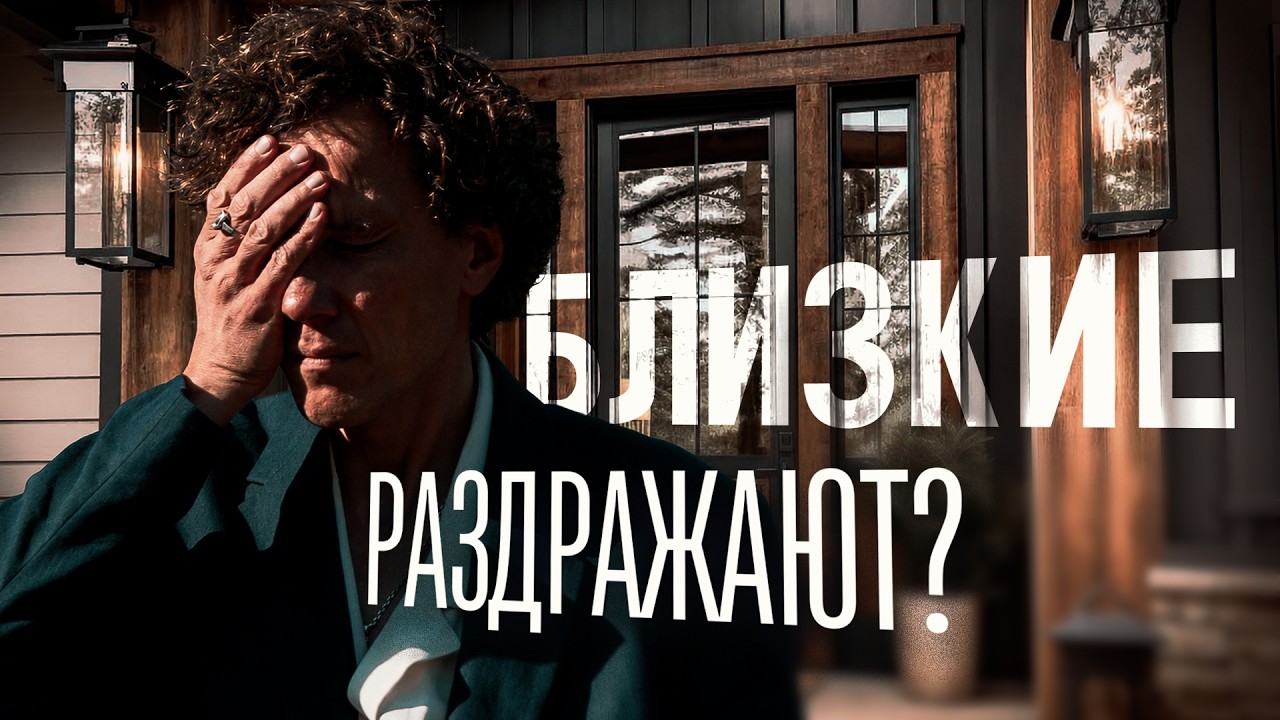
It is a familiar feeling: you talk with someone and afterward feel completely depleted. Fatigue, emptiness, irritation, anxiety. It can happen with anyone: a boss, colleagues, a partner, friends, a husband or wife, parents, or children.
Main subjects
Alexander VolchekCouples and healthy relationshipsChildren, parenting, and family lifeFriend / friendsConflictIrritation
The main question
Tell us in the comments: which interactions most often leave you feeling low—at work, with family, or with friends?
What you can take away
- In this video, Alexander Volchek examines three reasons you feel bad after interacting with someone, and why the feelings can be the same while the cause is different each time: – the person simply has a large amount of energy and sets off your trigger without wishing you harm; – the person really is in a state of aggression or harmful intent and creates conflict; – the cause is inside you: your own reaction, envy, resentment, or irritation is triggered, even when the person has nothing to do with you.
- We will examine each reason, and you will learn how to stop losing energy, how to leave a conflict situation, and how to maintain balance when interacting with people.
Main threads of the conversation
- 00:00The main question: how do you avoid losing energy in interactions and stay balanced?
- 01:07Three reasons your state deteriorates after interacting with someone
- 04:30What to do in case 1: the person has stronger energy but means no harm
- 09:02What to do in case 2: the person really wants to cause harm (aggression)
- 11:50Calm observation without manipulation: a key nuance
- 12:16Two tasks: your reaction first, then resolving the issue with the person
- 13:00The example of a boss at work
- 13:59The dog story: don't create a situation that repeats the conflict
- 16:24How to avoid being drawn into other people's states
- 20:29What to do in case 3: a mirror reaction
Claims made here
Individual claims identified in the material: who said them, when, and what kind of thought they express. Each timestamp opens that point in the video.
- 05:44
But they cried because I was talking about a certain energy or certain things that triggered tears in them.
Alexander Volchekcause
- 05:58
They can notice it, because in the vast majority of cases—99.999999 percent—tears are an ego structure: ego, resentment.
Alexander Volchekcausedefinition
- 07:59
It is very important to learn to recognize this, because it harms your development and the actions taking place. It does harm; it does a great deal of harm to the situation.
Alexander Volchekcauserecommendation
- 08:23
It is always interesting to see people who are intensely irritated by that noise.
Alexander Volchek
- 09:29
You meet someone who really does want to harm you, when people around you create this negative atmosphere, deliberately create this negative atmosphere.
Alexander Volchek
- 12:15
The reaction arises because I lack the strength. It is my problem; I lack the strength.
Alexander Volchekcause
- 12:22
My second task will be to work out how to resolve the issue with the other person, who is to blame for the problem because they are creating it deliberately.
Alexander Volchekcause
- 12:41
If there are bad people in a certain neighborhood, stop going through that neighborhood forever.
Alexander Volchekprinciple
- 18:31
If we look at wild animals, by the way—I apologize for using wild animals as examples today. I never comp—well, this isn't a comparison with people, but in general...
Alexander Volchek
- 23:17
Decide what you need with other people and what matters more to you: your own state, or discussing another person every day and plunging into the most intense negativity through it.
Alexander Volchekrecommendation
What to pay attention to
- The main question: how do you avoid losing energy in interactions and stay balanced?
- Three reasons your state deteriorates after interacting with someone
What to watch next
- How to Stop Irritation Before It Destroys a Relationship
- How can you assert your boundaries and respond to negativity?
Who this is for
- For readers interested in: Couples and healthy relationships, Children, parenting, and family life, Work, profession, and career path
Explore further · 25 mentions
Who and what is mentioned
People
8- Alexander Volchekparticipant
- Friend / friends
- Childrendiscussed
- Husband
- Wife
- Partner
- Mom / mother
- Dad / fathermentioned
Companies and products
1- YouTubementioned
Concepts
14- Conflictdiscussed
- Irritationdiscussed
- Time
- Angermentioned
- Fearmentioned
- Awarenessmentioned
- Truthmentioned
- Acceptancementioned
The author's terms
2- Resentmentmentioned
- Business partnershipmentioned
How it connects
How it connects
Select a subject to explore it.